The Future of Crisis Communication in 2025
In the era of faster-than-anything digital change, 2025 is revolutionizing crisis communication practices for brands, governments, and consumers alike. With increasing networked interdependence on social platforms, artificial intelligence platforms, and hypersensitive global publics, the crisis management manual of yesteryear simply will not suffice. Agility, authenticity, and flexibility are the new core of crisis communication, bolstered by smart technology and data-driven initiatives.
1. Transparency and Speed Reign Supreme
Those are the days behind us when organizations used to take hours—if not days—to respond to a crisis. Now, in 2025, news spreads through mediums like X (formerly Twitter), Instagram, and Threads within seconds. Public perception is formed instantly, and hence the initial minutes of a crisis are absolutely crucial. Today, therefore, the golden rule of crisis communication is be first, be right, and be transparent.
Brands that delay too long to claim a crisis lose the story. The audience now desires real, real-time information. Even the saying “We are taking note of it and looking into it” puts off time and gains trust. Regular progress reports, imperfect as they may be, are preferable to cold silence.
2. AI and Automation: Game Changers with a Caveat
Artificial intelligence (AI) is also playing a significant role in crisis management in 2025. From real-time sentiment analysis to chatbots answering public concerns, AI solutions are helping communication teams respond faster and smarter. AI-driven crisis simulations are also becoming standard practice, allowing organizations to prepare for various scenarios.
But technology must be balanced with human sympathy. Computer-generated messages in emotional or sensitive emergencies can come off as cold and robotic. The secret to winning? Have AI assist the plan—but keep a human in charge.
3. Social Listening Is the New Radar

Social media has become the battleground for reputations. Tools like Brandwatch, Meltwater, and Sprout Social are being used not just to post responses but to listen—constantly. Social listening enables teams to detect early warning signs, understand public sentiment, and track how narratives evolve.
By identifying emerging issues before they escalate, communicators can proactively respond and sometimes even prevent a full-blown crisis. Listening is no longer passive—it’s preventive.
4. Crisis Communication Teams: A More Strategic Role

In 2025, crisis communication is no longer a bolt-on or afterthought for PR teams. It’s now embedded in core business strategy. Companies are now funding special crisis response teams that include not only PR specialists but also data analysts, lawyers, cybersecurity experts, and mental health advisors.
These units also get training in real-time decision-making with playbooks that change dynamically. They focus on stakeholder mapping, internal communications, scenario planning, and coordinating fluidly between platforms.
5. The Rise of Internal Communications and Employee Advocacy

One of the biggest shifts in 2025 is internal communication during a crisis. Employees are now brand ambassadors and first-line defenders. If a company fails to communicate well with its own people, it risks leaks, misinformation, and loss of morale.
Smart businesses are creating internal crisis portals, WhatsApp notifications, and employee spokesperson programs. Providing employees with the right information empowers them, keeps things consistent, and spares the brand from internal backlash.
6. Accountability
The age of cancel culture is not just alive and kicking—it’s evolving. Now, in 2025, standards for ethics, diversity, inclusion, and sustainability are higher than ever. A careless comment, discriminatory practice, or slow response to a social issue can provoke backlash and boycotts.
Future crisis communication is most assuredly not just reacting—but accountability. Apologies must be sincere, visible corrective actions must be taken, and follow-throughs on commitments made must occur. Audiences in 2025 value—and any perceivable element of performative accountability is quickly condemned.
7. Video is the Most Trusted Format
The public believes individuals—not press releases. CEOs, founders, or impacted employees’ video statements in 2025 are stronger than any written message. Solutions such as LinkedIn Live, Instagram Stories, or even holographic press conferences (gaining traction in tech-oriented sectors) are employed to share emotion, authenticity, and immediacy.
Video makes an answer human. It displays accountability and establishes an immediate connection with the viewers.
Conclusion: Communication is the New Crisis Insurance
2025 crisis communications is not just crisis management of negative news—it is keeping trust alive. As technology accelerates but also exposes weaknesses faster, organizations need to be more open, invest in listening platforms, educate cross-functional teams, and, most importantly, make empathy their first priority.
Those companies that will survive and stay afloat through crises will be those that speak not reactively but responsibly, proactively, and authentically.
Also Read: Top 5 Tips to Elevate Your Media Pitch and Make a Lasting Impression
Ready to take your PR strategy into 2025 and beyond? Visit PRGuru.in to find out how we can partner together to make your brand unforgettable.
Build authority, trust, and engagement with the right PR moves! Follow PR Guru on LinkedIn for expert tips, success stories, and industry trends
Crisis management: 7 ways how PR guru transforms threats into business opportunities for brand reinvention
Today’s fast-paced business and social media world will, at some point, face a crisis. The wrong step or an unexpected event can jeopardize years of reputation building. To a seasoned PR professional, every crisis is a chance to convert adversity into triumph. Crisis management is not damage control; it is reframing challenges as opportunities to build the credibility, transparency, and trustworthiness of your brand.
Here’s how a PR guru can calm stormy waters and convert threats into exciting brand opportunities:
1. Storm Teaser: Proactive Preparedness
A true PR guru knows that preparation is half the battle. Anticipating possible crises and making plans for a better response makes the process swift and effective.
Key Steps:
Crisis Scenario Planning: Identify weaknesses in your brand that can become sources of negative publicity.
Crisis Team: Construct a team of experts—including PR pros, legal counsel, and decision-makers—who are ready to spring into action when a crisis occurs.
Media Training: Prepare your spokespersons on how to handle tough questions and deliver clear and compassionate messages.
PR Guru Insight:
“A prepared brand doesn’t react to a crisis; it responds with intent and precision.”
2. Rapid Response: Managing the Aftermath
Time is of the essence when there is a crisis. It only gets worse if responses are late; however, a quick but clear statement would minimize the bad press.
The Process
Acknowledge the Issue: Silence or denial tends to exacerbate the situation. Acknowledge the problem and not have answers.
Communicate Transparently: Share the facts as they are and outline the steps being taken to address the situation.
Empathize with Stakeholders: Care about the victims of the crisis.
Case:
When a popular food brand was accused of having contaminated products, the CEO of the company issued an official apology within hours, initiated an inquiry into the issue, and compensated all customers who had been affected. This transparency helped reduce the blow and ensured that customer loyalty did not suffer.
3. Transparency into Trust
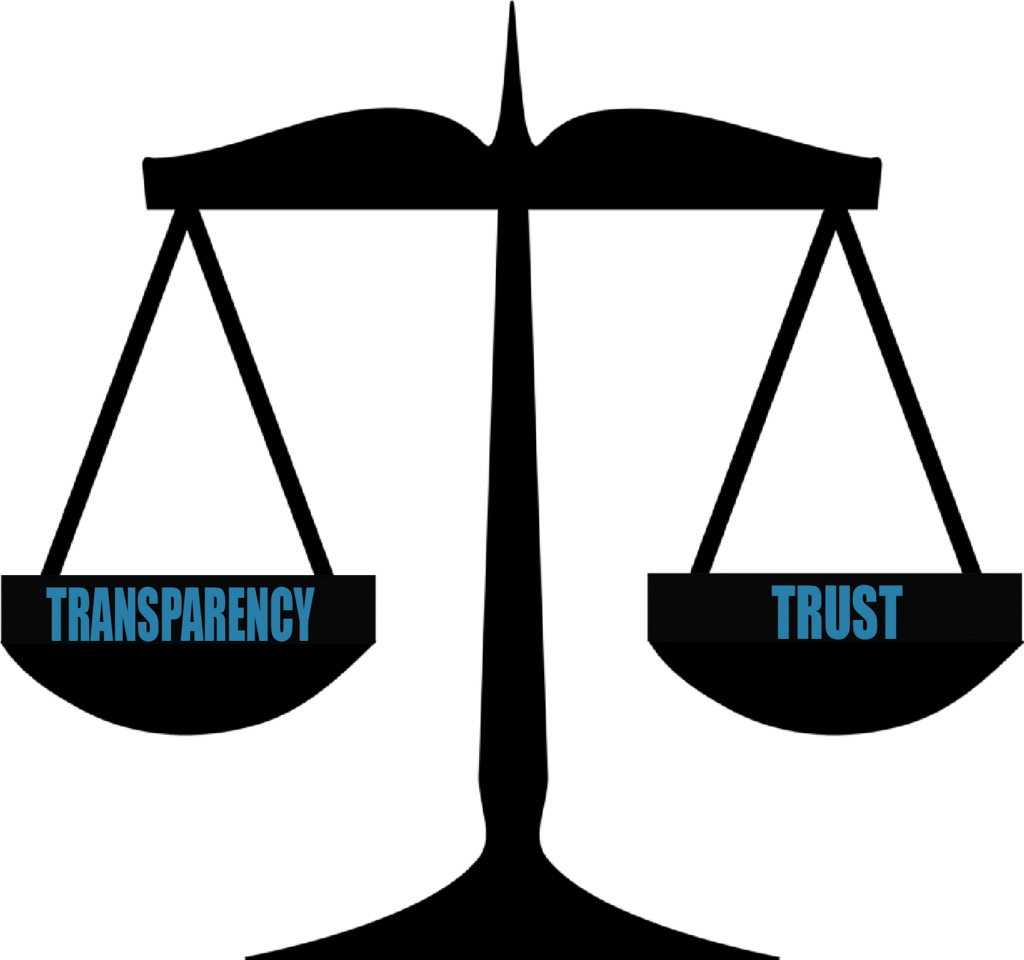
Crises are the times your values will shine. Being open and being accountable may just be the best way to build in disasters.
Strategies:
Apologize Sincerely, this is one method of soothing the public wrath and making people believe that you are accountable.
Updates Galore Share with the stakeholders what you are doing to resolve the crisis.
Putting It All Together Use the crisis as an opportunity to learn from the mistakes and try to improve on the products, services, or processes.
PR Guru Insight:
“Transparency isn’t a weakness—it’s a strength that builds unshakable trust.”
4. Controlling the Narrative

The most essential part of a crisis management effort is controlling the story. It allows the situation to not get out of hand. Relations with the press and digital forums are used as tools by the PR experts for shaping the message.
Tools and Tactics:
Publish Issue Press Releases: Clear, concise statements that tell the world what they are facing.
Use Social Media: Update them, dispel rumours, and talk to them in your official accounts.
Leverage Influencers: Social media influencers in your niche can reacquire credibility for you by giving your side of the story.
PR Guru Wisdom:
“If you don’t tell your story, someone else will—and it may not be pretty.”
5. The Silver Lining: A Chance for Growth
Every crisis presents a chance to exhibit strength, flexibility, and creativity. You can turn your problems into stepping stones for growth if you face your problems.
Some Examples of Positive Outcomes:
Product Improvements: A crisis related to the quality of the product may bring about stricter safety standards or even some new inventions.
Deeper Relations with Customers: The way you manage a crisis will bring long-term loyalty and respect from customers.
Brand Revitalization: Take the opportunity to rebrand or reposition your business during a crisis.
Case Study
The global airline faced bad publicity because of some customers’ treatment during a flight delay. Implementing a customer-first approach and launching a transparency-driven PR campaign helped it not only recover but also win accolades for being the best service provider.
6. Reviewing and Learning Post Crisis

It does not mean the journey is over with the crisis’s end. A PR guru helps ensure that the brand learns from this experience so that such a problem does not come back in the future.
Actions Post-Crisis:
Post-Mortem: Find out what went wrong, what worked, and what should be improved.
Review Crisis Plans: Update your crisis management plan by learning from this.
Communicate Victories: After the event of the crisis is past, communicate which victories reflect the resilience of your brand.
PR Guru Insight:
“Every crisis is a lesson in disguise. So, embrace it, learn from it, and come back stronger.”
7. Building Long-Term Resilience
Crisis management is not just about the survival of the challenge facing a company but building a brand that will face future challenges. A resilient brand has transparency, accountability, and customer trust in all operations.
Conclusion
To the PR guru, a crisis is not only a hurdle but also an opportunity to tell the world what character, commitment, and flexibility a brand possesses. Preparing for the worst in advance, transparency in response, and finding opportunities for growth can turn every challenge into a stepping stone toward greater success.
The next time your brand goes through a storm, remember that with the right PR strategy, every challenge becomes a powerful opportunity to shine.
Also Read: Top 5 Tips to Elevate Your Media Pitch and Make a Lasting Impression
Ready to take your PR strategy into 2025 and beyond? Visit PRGuru.in to find out how we can partner together to make your brand unforgettable.
Build authority, trust, and engagement with the right PR moves! Follow PR Guru on LinkedIn for expert tips, success stories, and industry trends
How Brands Turn Crisis into Comebacks in 2025
With the current rapid, high-speed digital age, brand crises can be born overnight. A blunder, Twitter storm, or negative publicity can be a recipe for disaster and put a brand’s reputation at risk. However, the ultimate test of the strength of a brand is not the crisis but the fact that it survived strongly throughout the crisis and emerged unscathed.
In PR Guru, a top digital PR agency, we have expertise in crisis-to-comeback campaigns via strategic crisis management, media relations, and rebranding. In this, we notice how brands are able to return from the brink and how a PR guru is capable of enabling companies to recover credibility and trust.
Understanding Brand Crises
Anyone can ignite a brand crisis with everything from product fiascos, lawsuit litigation, leadership scandal, security loopholes, and social media controversy to scandal. Honesty, openness, and responsible storytelling are the way through a crisis—PR Guru’s secret sauce.
Steps to Turn a Crisis into a Comeback
1. Take Responsibility and Own Up
The initial response of crisis management is accepting the problem. Hiding a problem or denial increases the problem manifold. Openness builds credibility, and companies willing to own mistakes will be in a position to restore people’s trust.
Example: Johnson & Johnson’s Tylenol Crisis (1982)
When Tylenol capsules with cyanide poisoned consumers, Johnson & Johnson moved swiftly on recalling 31 million bottles. They introduced tamper-proof packaging and launched a humongous PR campaign, regaining consumer confidence and establishing new safety standards for the industry.
PR Guru’s Strategy: We recommend brands have crisis communication plans in place, where they own up but emphasize solutions and consumer protection.
2. Speed and Clarity of Communication

Silence is not acceptable in crisis time. Problems must be tackled at once with good and concise communication by brands. Misinformation is averted, and the story is prevented from running out of hand.
Example: KFC’s Chicken Shortage (2018)
When KFC UK suffered from a supply chain breakdown, when the restaurants ran out of chicken, they reacted with humor and integrity. Their “FCK Sorry” ad in top newspapers exemplified humility and responsibility, converting a PR nightmare into a marketing triumph.
PR Guru’s Approach: We create transparent and prompt communication strategies via press releases, social media, and media relations in order to keep people’s trust.
3. Leverage Influencers and Media
Influencers and good media publicity can make a difference to public opinion. An organized online PR campaign can divert attention from the crisis to the corrective steps taken by the brand.
Case Study: Uber’s #MovingForward Campaign (2017)
Uber introduced the #MovingForward campaign after a journey of workplace harassment allegations. It was intended for new policies and leadership transformation. Media and influencers were used to promote its pledge toward a positive work environment.
PR Expert’s Approach: We work with media and influential stakeholders to enable brands to reclaim positive publicity via successful PR campaigns.
4. Speak to the Audience and Rebuild Trust

Customer conversation and prompt issue resolution win popularity. Social media is called upon when it’s a matter of brand redemption with the potential for instant touch and reassurance.
Example: Pepsi’s Kendall Jenner Ad Backlash (2017)
Pepsi quickly removed its offensive ad, apologized publicly, and spoke to individuals regarding why they were offended, and hence restored brand credibility.
PR Guru’s Strategy: We assist brands in handling online reputation, talking well to audiences, and regaining trust by getting the correct messages across.
5. Reinvent and Reinforce Brand Identity

Crisis has a tendency to offer a chance for change. Brand redefinition, CSR initiatives rollout, and brand value redefinition can shift public opinion.
Example: Domino’s “We Rebuilt It” Campaign (2010)
Domino’s was attacked for its pizza, and then it rolled out a bold campaign owning up to its mistakes. It introduced new recipes and an open marketing campaign, which resulted in a dramatic business turnaround.
PR Guru’s Strategy: We help brands bounce back from a crisis via strategic brand narration, creative campaigns, and greater customer interaction.
Why PR Guru Is the Agency of Choice for Crisis Management

We understand here at PR Guru that each crisis is different and needs a solution of a different kind. Our veteran crisis management specialists work to make sure that brands do not just bounce back but are stronger than ever. And here’s how we achieve that:
- 24/7 Crisis Monitoring—We monitor online buzz and media coverage to react in front of the curve.
- Crisis Comms Planning—We create multi-channeled response plans to avert damage.
- Media & Influencer Engagement—We revive brand trust via good press and partnerships.
- Reputation Management—We revive public image with purposeful content and interaction.
- Brand Repositioning—We help brands come back bolder, more human.
Conclusion
A brand crisis is not an end but rather a chance to redeem. Brand failures can become comeback stories using good PR skills. PR Guru is a crisis management specialist, and from the experience, your brand can redeem itself and thrive. Is your brand headed to disaster? PR Guru can turn it into a comeback inspiration tale!
Wanting to protect your brand reputation? Call PR Guru today!
Also Read: 5 Damaging PR Myths That Could Be Holding You Back
Ready to take your PR strategy into 2025 and beyond? Visit PRGuru.in to find out how we can partner together to make your brand unforgettable.
Build authority, trust, and engagement with the right PR moves! Follow PR Guru on LinkedIn for expert tips, success stories, and industry trends
Why Every PR Team Needs a Crisis Management Plan to Handle the Unexpected
It is not if but when it hits. In public relations, crises always come as a surprise. It could be a recall, a viral post on social media, or unfavorable reporting in the media. No company is immune to such events, no matter how large or reputable their name may be. This agitated water requires a PR team more than simple ad hoc solutions; a crisis management plan is what will ensure that when the damage surfaces, the organization will indeed have been properly prepared to preserve its reputation while restoring trust to mitigate the necessary damage.
A Crisis Management Plan
A CMP is a broad document that states clearly how the organization should respond to a potential crisis. It states strategies, communication procedures, and instant steps to be followed at each point. Here, the goal is not only to handle the immediate case but to soothe the nerves of the stakeholders and, in the long run, help save the brand’s reputation.
Why a Crisis Management Plan Is the Need of the Hour for PR Teams?
1. Prompt response is the gold standard
The news moves fast in the present digital age. A delayed response may turn a relatively minor problem into a full-blown PR disaster. This equips the PR teams with the capability to act on a timely basis with pre-approved messaging and well-defined roles.
2. Protection of brand reputation

Reputation is the company’s most important asset. It can be destroyed in minutes if not managed properly during the crisis. A CMP allows the PR team to craft damage-control efforts, including the release of public apologies, rectification of misinformation, or demonstration of transparency with regular updates.
3. Consistent Communication
Consistency in crisis communication is important since mixed messages can bewilder stakeholders and damage confidence. A CMP would define and guide the generation of harmonized messaging, which is driven by the values of the organization and the tone. This would ensure all communications are consistent.
4. Building Stakeholder Confidence

During a crisis, stakeholders include customers, employees, investors, or media who look at an organization for reassurance. The right implementation of a CMP demonstrates that the organization is ready and knows how to handle the situation confidently.
Key Components of a Crisis Management Plan
1. Crisis Scenarios and Risk Assessment
Identify the potential crises that your organization might face. This could be operational failure, a cybersecurity breach, a legal dispute, or negative press. Understanding these risks will enable PR teams to develop strategies for each scenario.
2. Crisis Communication Team

Define a dedicated crisis response team, which should at least include senior management, PR specialists, legal advisors, and subject matter experts. There should be specific roles and responsibilities to streamline the coordination process.
3. Communication Channels
Determine what the most effective ways of communication through your channels are. This may include social media, press releases, email updates, or internal memos. Make sure all these channels are scanned continually during a crisis.
4. Pre-approved Messaging
Draft templates and key messages for different crisis scenarios. These should be ready for specifics yet uniform in both tone and content. Pre-approved messaging saves precious time and reduces the chances of error when responding under stress.
5. Monitoring and Feedback Mechanisms
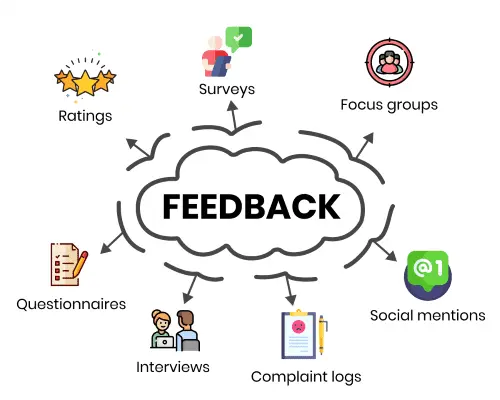
Establish tracking systems for media coverage, social media sentiment, and stakeholder feedback. In-time information will help PR teams gauge the effects of their communication and adjust strategies as necessary.
6. After-crisis Review
Review in detail what went right and wrong in response, and capture lessons learned and updates for the CMP on areas that were not met to improve continually.
Real-life Examples of Crisis Management
1. Johnson & Johnson’s Tylenol Crisis
In the 1980s, Johnson & Johnson was involved in the public health crisis occasioned by deaths resulting from cyanide-laced Tylenol capsules. The company’s response—the recall of its products and introduction of tamper-proof packaging—is regarded as a model of how crises ought to be managed. It did not only halt the immediate crisis but also regained customers’ confidence.
2. Starbucks’ Philadelphia Incident
Two Black men were arrested in 2018 for racial bias inside a Starbucks in Philadelphia. The brand responded to accusations of racial bias with a public apology and a decision to close all stores for racial bias training and new policies. It was a preventive measure to reclaim the integrity of an inclusive brand.
Proactive Crisis Management: The Role of PR Guru
In any given situation, the PR guru know that a crisis can make or break a brand. They, therefore, thrive on predicting the risks and forging resilient strategies in helping organizations to stay safe during turbulent times. In effect, it proactively helps clients to not just be reactive but prepares them for such incidents with confidence.
Conclusion
It is no longer a luxury but a must for any PR team—a crisis management plan. Preparedness is the new mantra for this modern age in which public opinion can change in seconds. Protective action for reputation building and nurturing trust calls for preparedness. A strong CMP will give PR teams the strength to navigate the unexpected and get ready to emerge stronger. And, of course, in PR, it is not the crisis that defines the brand but how the brand reacts.
Also Read: https://prguru.in/public-relations/why-x-is-the-new-pr-powerhouse/
Ready to take your PR strategy into 2025 and beyond? Visit PRGuru.in to find out how we can partner together to make your brand unforgettable.
Build authority, trust, and engagement with the right PR moves! Follow PR Guru on LinkedIn for expert tips, success stories, and industry trends
Crisis Management: Essential Steps to Safeguard and Strengthen Your Brand’s Image
In a blink of an eye, a small misstep can snowball into a full-fledged crisis threatening your brand’s hard-earned reputation. Crisis management is not about damage control; it is about how you respond, recover, and reshape the narrative. A well-executed strategy can transform a potential disaster into an opportunity for growth, while a poor response can leave lasting scars. Whether it is a social media backlash, a public scandal, or a recall of a product, the way you react in a crisis situation will make all the difference. Let’s dive into the dos and don’ts that are imperative for protecting your brand and reputation during the storm.
Do: Have a Crisis Management Plan Ready

Be prepared for whatever happens. Make sure there is a proper plan for a Crisis Management approach in place, no matter how long in advance the storm is due. It is important to set roles, protocols, and communication strategies clearly defined for key stakeholders involved. When disaster hits, the formal response will always enable your team to act rapidly and effectively.
Don’t ignore the level of the situation
The biggest mistake brands make during a crisis is the trivialization of the situation. If they don’t confront the problem or refuse to acknowledge its reality, then negativity will fuel further and longer. Instead, face the crisis, deal with its impact, and take the necessary actions to respond accordingly.
Do: Be transparent and honest

Transparency is vital in any crisis situation. Whether you’re addressing a public mishap, a product defect, or a company misstep, honesty goes a long way in restoring trust. Your audience expects to hear the truth, even if it’s uncomfortable. Address the issue directly and outline the steps you’re taking to make it right.
Don’t: Engage in Defensive Behavior
When your brand is being criticized, the first reaction could be to play the defensive. Avoid attacking and denying facts or putting the blame elsewhere. Defensive responses often have an adverse effect by making the crisis worse. Instead, focus on taking responsibility and presenting a solution. Remaining calm and professional will go a long way compared to deflecting blame.
Do: Maintain Open Communication Channels
Keep the lines of communication open and consistent. Whether it’s through social media, email, or press releases, make sure your audience knows they are being heard. Respond promptly to inquiries and provide updates on your actions. This will show your stakeholders that you’re actively working to resolve the issue.
Don’t: Forget About Your Employees
Your internal audience is just as important as your external one in a crisis. Your employees need to be kept informed. They are often your first line of defense, and their knowledge of the situation will help them handle public-facing interactions better. Internal updates regularly ensure that your team stays aligned and informed.
Do: Use Social Media Wisely
Social media, in the era of digital communication, can either be your best friend or worst enemy when it comes to a crisis. Make sure that your social media team is ready and able to act quickly, wisely, and consistently. A timely tweet or Instagram post can prevent a rumor from going viral. Remember, once it’s out there, it’s difficult to bring it back. So, think before you post.
Do not overload your audience with too much information

Transparency is great, but overwhelming the audience with too much information makes it confusing. Focus on the key messages and be concise while avoiding too many updates. Make the narrative easy to understand by focusing on how to provide assurance through actionable steps.
Do: Learn from the Crisis
Learn every crisis, no matter how difficult. Once the dust settles, take some time to evaluate your crisis management. Did your team communicate effectively? Were the right steps taken? This reflective process will help you refine your approach for next time and strengthen your overall brand resilience.
Don’t: Let the Crisis Define Your Brand

The crash need not be the end of the story. How you respond defines your brand from here on out. From it, a rebuilt and refreshed public image will emerge. Brands that recover beautifully often come back renewed, refreshed, and loyal to their audience.
Brands can seek expertise from the crisis in situations as they come about and can guide them on the most critical events. Among the top PR agencies, one such PR guru that provides expert crisis management services for brands’ protection in turmoil is there. For years, having the expertise to create strategic responses, PR Guru has made a name as the go-to partner for companies in search of direction through the storm of a crisis.
No matter the scale of this crisis, PR Guru ensures that your brand’s image remains intact and positions it for long-term success. In the present day and age of volatility, being able to have a reliable partner in this aspect can make a lot of difference. To learn how they can assist in protecting your brand’s reputation, go to PR Guru.
Takeaways: Effective crisis management requires swift action, honesty, and transparency. By adhering to these dos and don’ts, your brand can weather any storm and come out stronger on the other side. And remember, with experts like PR Guru by your side, you’re never alone when it comes to protecting your brand’s most valuable asset—its reputation.
Ready to take your PR strategy into 2025 and beyond? Visit PRGuru.in to find out how we can partner together to make your brand unforgettable.
Build authority, trust, and engagement with the right PR moves! Follow PR Guru on LinkedIn for expert tips, success stories, and industry trends
What You Need to Know About Crisis PR in 2025: Expert Tips from PR Guru
In the blinking of an eye, your brand may change overnight from hero to zero. One mishap, one ill-timed statement, or some unexpected event can crash your reputation. How is that possible? And we say to you today that Crisis PR is not about firefighting? But mastering the storm, controlling the narrative, and emerging stronger than ever.
No brand is invincible to crisis. Whether it’s a meltdown on social media, a product failure, or a scandal that rocks your industry, how you react to the crisis may actually define your company’s legacy. Survival lies in having a well-crafted Crisis PR strategy: adapt, communicate, and recover.
Let’s look at some of the Crisis PR basics from the wise words at PR Guru, experts in managing complex crises with branding.
Power of Proactive Crisis Management: Being Ahead of the Game
Crisis PR best defense is a good offense. Of course, crises will always take you by surprise, but it doesn’t mean you can’t prepare for the eventuality. Your first line of defense will be building a crisis communication plan. The more you anticipate, the quicker you respond and the better you’ll handle when the problem occurs.
- Spotting Red Flags Early: This could be the case of a customer complaint turning viral on social media or the potential PR mishap. Whatever it is, the key here is to catch the issue early before it grows into a full-blown crisis.
- Assemble a Crisis Response Team: The ready-to-act team will come in handy for the crisis response. All key decision-makers, PR experts, and social media managers should be part of the team.
Speed Meets Strategy: The Critical Importance of Quick, Thoughtful Responses
In a crisis, time can be your best friend or worst nightmare. With the 24/7 media world, the call to respond immediately is deafening. However, a response without thoughtfulness can prove much more damaging than beneficial. How do you balance speed with strategy?
- Don’t rush; don’t delay: Recognize the crisis as soon as possible, but do not be in a hurry to say something. Take your time to ensure your message is clear, accurate, and in line with your brand values.
- Craft a Unified Message: Consistency should run through every channel. From a tweet, to a release, to the media interview itself, your message should be congruent and portray the company position on the situation.
Honesty & Accountability: The Bedrock of Crisis PR
Transparency is your greatest asset in a crisis. In this age of perpetual connectivity, honesty is the most valuable currency of all. If you are in the wrong, admit it. Owning up is not a weakness; it’s a sign of integrity that can help you regain trust.
- Apologize Sincerely: Sorry. A miracle does exist-sorry. Use apologetic communications to touch the public’s emotion and sympathy, describe how you plan to correct your wrongdoing.
- Explain What is Being Done: Let them know and show them how you are making it right, so it will not happen again. Apologize but do something.
Strategic Media Relations: Turning the Press into Your Partner During a Crisis

Public perception in the central place of crisis. However, how do you do or perform with regard to the media-that is to be considered as it can be perceived as an amplifier or a depressor. Seriously, proactive participating in the mainstream means being authorized to control your message.
- Pitch your story to the right journalists; let’s not wait for reporters to knock on our doorstep. The right media contacts will engage with us in our compelling story with clear facts, so the world will hear our side of the story.
- Don’t Hide—Show Up: The more you shy away from facing or talking to the media, the more the fire of speculation feeds. Be there, be transparent. An evident, reflective response will win you the heart of the public and the press too.
Turning Crisis into Opportunity: Recovery and Rebuilding Trust
Work is not over after the crisis. It is the time to rebuild and recover from it. Post-crisis recovery is a delicate process that has to be handled with care while showing your brand’s commitment towards transparency, accountability, and change for good.
- Communicate Regularly Post-Crisis: This involves keeping the audience updated with the progress made, recovery efforts, and the changes implemented. It shows commitment towards making things right.
- Engage the customer: Reach out to the customers and communicate with the stakeholders, eliminate all their fears, and establish communication lines and get back in relations.
PR Guru Expert Insights: How to master crisis PR with ease
Crisis PR does not give room for mistakes. That is where PR Guru comes in. They, being the leaders of the public relations industry, brings with them unmatched experience with crisis communications strategy to guarantee your brand does not just weather the storm but thrives afterwards.
The approach of Crisis PR by PR Guru
- Tailored Crisis Communication Strategy: PR Guru is here for a customized approach as unique as your crisis. Its experts acutely observe risks and then custom design solutions with a view of minimizing damage on your reputation.
- Rapid Response & Real-time Support: Time is of the essence. You can be rest assured with the 24/7 support that PR Guru would present you with a team of professionals ready to act at the drop of a hat.
- Post-Crisis Brand Rehabilitation: Recovery is not just solving the immediate problem but also rehabilitating your brand for the long haul. PR Guru will help you recover, rebuild consumer trust, and reignite positive brand sentiment.
Why PR Guru?
PR Guru is your crisis and reputation management agency you can rely on that will stand by your side in times of crises, defend your brand, and help you win in the long run. Leverage their experience to be poised, transparent and confident amidst any crisis. Their professionals have experience working with strategies for crisis management that go for years, leaving the burden of running the business on to you to focus more on growth.
Know better about how to negotiate the issue with Crisis PR using PR Guru and safeguard the future of your brand with its official website. In today’s unpredictable world, the ability to manage a crisis is what separates the great brands from the rest. With PR Guru by your side, you’ll be equipped to not only survive a crisis but to transform it into an opportunity for growth and greater resilience.
Ready to take your PR strategy into 2025 and beyond? Visit PRGuru.in to find out how we can partner together to make your brand unforgettable.
Build authority, trust, and engagement with the right PR moves! Follow PR Guru on LinkedIn for expert tips, success stories, and industry trends